Texas summers are no joke. Here’s how to stay cool, stay safe, and look out for your neighbors when temperatures climb.
f you live in Austin, you know the summer heat is not something to take lightly. Temperatures regularly climb above 100°F, and heat-related illness can happen faster than most people expect — especially for children, older adults, and anyone without reliable air conditioning.
The Austin Housing Authority wants every resident to have what they need to stay safe this summer. Below are practical tips to protect yourself, your household, and your neighbors through the hottest months of the year.
5 Essential Summer Heat Safety Tips
1. Stay Hydrated — Even When You Don’t Feel Thirsty
Heat causes your body to lose water faster than you realize. Aim to drink 8 to 10 cups of water throughout the day, and do not wait until you feel thirsty — by then, you may already be dehydrated. Avoid drinks with a lot of sugar or caffeine, which can make dehydration worse.
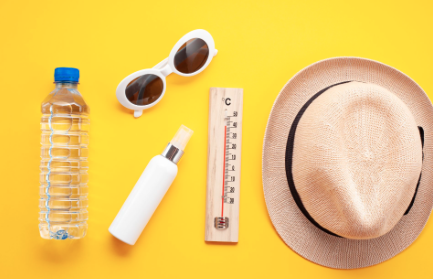
If you are heading outside, bring water with you. And do not forget sunscreen — apply SPF 15 or higher before going out and reapply every two hours when you are in direct sun.
2. Limit Outdoor Activity During Peak Heat Hours
The hottest and most dangerous time of day in Austin is typically between 11 a.m. and 4 p.m. If possible, schedule outdoor activities — errands, exercise, yard work — for the early morning or evening when temperatures are cooler.
If you must be outside during peak hours, find shade whenever you can, take frequent breaks, and pay attention to how your body feels. Feeling dizzy, weak, or unusually tired in the heat is a warning sign — do not push through it.
3. Check In on Your Neighbors
Extreme heat is especially dangerous for seniors, young children, and people with chronic health conditions. A quick visit, text, or knock on the door can make a real difference — and could save a life.
If you have a neighbor who lives alone, is elderly, or has a health condition, make a point to check in during heat waves. Ask if they have working air conditioning or a fan. Offer to pick up water or groceries if they cannot easily get out. Community takes care of community.
4. Never Leave Children or Pets in a Parked Vehicle
Car interiors heat up to dangerous temperatures within minutes, even on a mild day. On a 90°F Austin afternoon, the inside of a parked car can reach 130°F or more. Never leave a child or pet unattended in a vehicle — not even for a quick errand.
Before you leave your car, make it a habit to check the back seat every time. This is especially important during busy days when routines change.
5. Dress for the Heat
What you wear matters more than you might think. Choose lightweight, loose-fitting, light-colored clothing made from breathable fabrics like cotton or linen. Dark colors and tight clothing trap heat against your body.
A wide-brimmed hat and sunglasses can also help protect you from direct sun exposure on particularly hot days.
What to Do If You Don’t Have Air Conditioning
Not everyone has access to central air conditioning, and that is okay — there are still effective ways to stay cool at home and in your community.
At home: Keep blinds and curtains closed during the day to block out sunlight. Use fans to keep air circulating. Take cool showers when you need to bring your body temperature down, or apply a cool, damp cloth to your neck and wrists — areas where blood vessels are close to the skin.
In the community: Austin’s public libraries, community centers, and many shopping areas provide cool, air-conditioned spaces during the day. During extreme heat events, the City of Austin activates designated Cooling Centers — free, accessible spaces where anyone can come in from the heat. Visit austintexas.gov or call 3-1-1 for current Cooling Center locations and hours.
You do not have to tough it out alone. Austin’s Cooling Centers are open to everyone — no questions asked.
Know the Signs of Heat-Related Illness
Heat illness can escalate quickly. Knowing the difference between heat exhaustion and heat stroke — and knowing when to call 911 — could save a life.
Heat Exhaustion
Heat exhaustion happens when your body has been overheating for an extended period. Signs include heavy sweating, weakness, dizziness, headache, nausea, muscle cramps, cool or clammy skin, and a rapid but weak pulse.
What to do: Move the person to a cool, shaded area immediately. Have them sip water slowly, loosen clothing, and rest. Use cold compresses or a cool bath to help lower their body temperature. If symptoms last longer than an hour or get worse, call 911.
Heat Stroke — Call 911 Immediately
Heat stroke is a medical emergency. Signs include a body temperature of 103°F or higher, hot and dry skin with no sweating, throbbing headache, rapid and strong pulse, confusion, and loss of consciousness.
What to do: Call 911 right away. While waiting for help, move the person to a cool area and try to lower their body temperature quickly using whatever is available — cool water, ice packs, or a fan.
When in doubt, call 911. Heat stroke can be fatal, and fast action matters.
Mosquito Safety This Summer
Austin’s summer heat also brings an increase in mosquitoes, which can carry diseases including West Nile virus. A few simple steps can go a long way toward protecting your household.
Drain any standing water around your home at least once a week — buckets, planters, pet bowls, tires, and birdbaths are common breeding spots. Mosquitoes can lay hundreds of eggs in just a few days. Apply EPA-registered insect repellent when spending time outdoors, and consider wearing long sleeves and pants in areas with heavy mosquito activity.
To report a mosquito problem in your area, call 3-1-1 or submit a service request at austintexas.gov.
Water Safety for Families
Summer means pools, splash pads, and trips to the lake — and with that comes the responsibility of water safety, especially for families with young children.
Never leave children unattended near any body of water, including pools, bathtubs, and kiddie pools. Drowning can happen quickly and silently — put away your phone and be an active watcher. Children and infants should always be within arm’s reach of a parent or caregiver near water.
When on a lake or river, all children should wear a properly fitted U.S. Coast Guard-approved life jacket. Foam floaties, water wings, and pool noodles are not substitutes for life jackets in open water.
For more water safety resources and drowning prevention information for Austin families, visit colinshope.org.
Summer Safety Resources
City of Austin
• Cooling Centers and Heat Awareness: austintexas.gov/ready-central-texas/heat-awareness
• To find Cooling Center locations: Call 3-1-1 or visit austintexas.gov/alerts
• Emergency Alerts: WarnCentralTexas.org
Health Information
• CDC Heat Safety: cdc.gov/heat-health
• Colin’s Hope Water Safety (Austin-based nonprofit): colinshope.org
• OSHA Heat Safety for Outdoor Workers: osha.gov/heat
Austin Housing Authority
• For resident services and program information: austinha.org
• Follow us on social media: @theaustinha